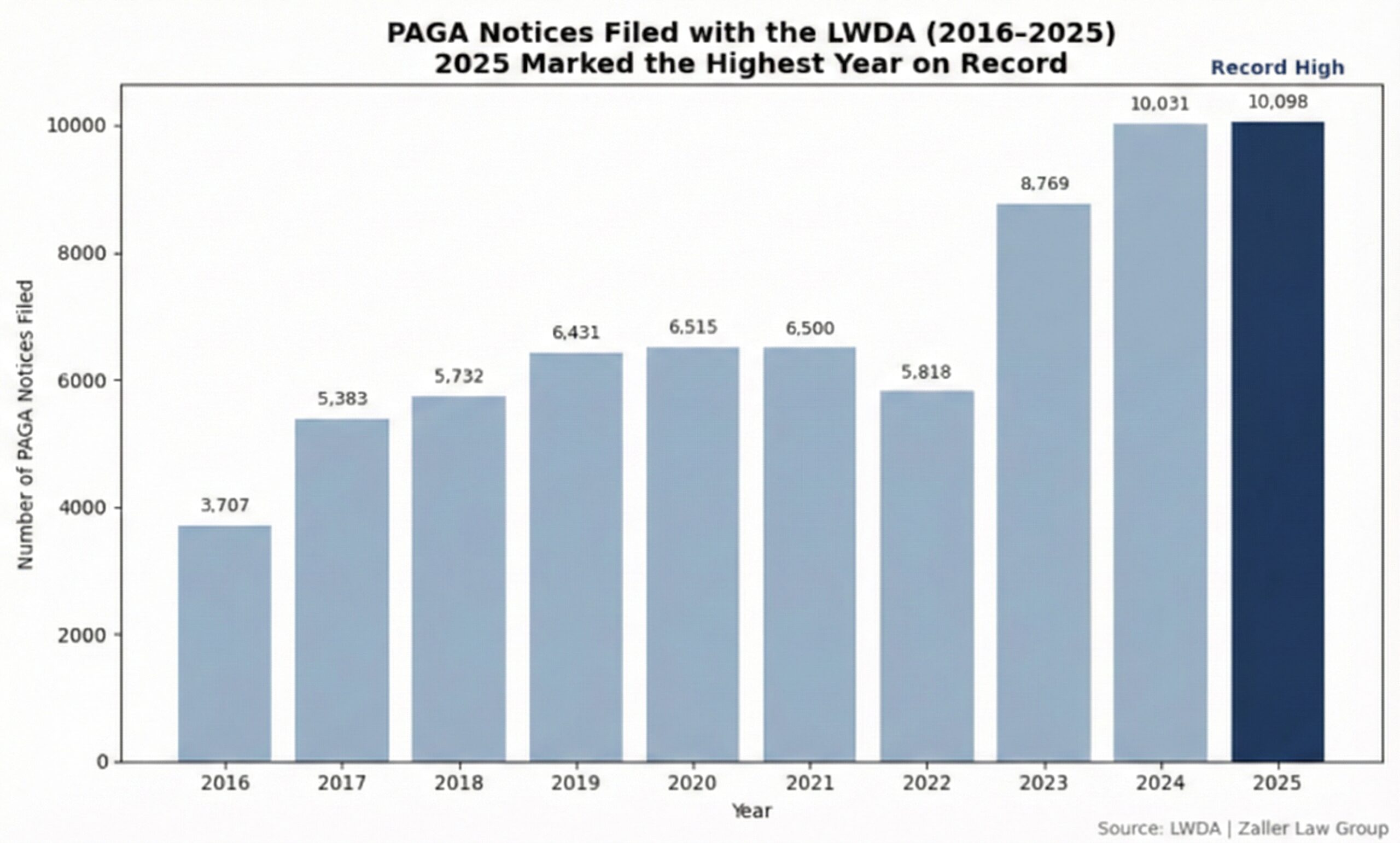
After more than twenty years defending California employers, I have seen a consistent pattern: even companies with sophisticated systems struggle with one of the most fundamental compliance obligations in California employment law—maintaining, accessing, and analyzing employee time records. These challenges are not merely operational inconveniences. They routinely lead to unnecessary legal exposure, inflated PAGA penalties

As we approach 2026, California employers face a new round of legal and financial adjustments that will directly impact payroll budgeting, exempt classifications, and compliance risk. From statewide wage increases to industry-specific salary thresholds, these updates require careful planning to avoid misclassification claims, PAGA exposure, and penalties.

Here are the top five increases California employers

This article continues our Friday’s Five series highlighting the major new California employment laws taking effect in 2026. In recent weeks, we’ve covered several significant bills impacting employers — from expanded employee rights and new recordkeeping requirements to pay transparency updates and workplace enforcement changes.

This week, we turn to Assembly Bill 692 (Kalra)