What “Reasonable Steps” Really Mean in 2026: How California Employers Reduce PAGA and Employment Litigation Exposure

As California employers move through 2026, one thing is clear: employment litigation—and PAGA litigation in particular—is not slowing down.

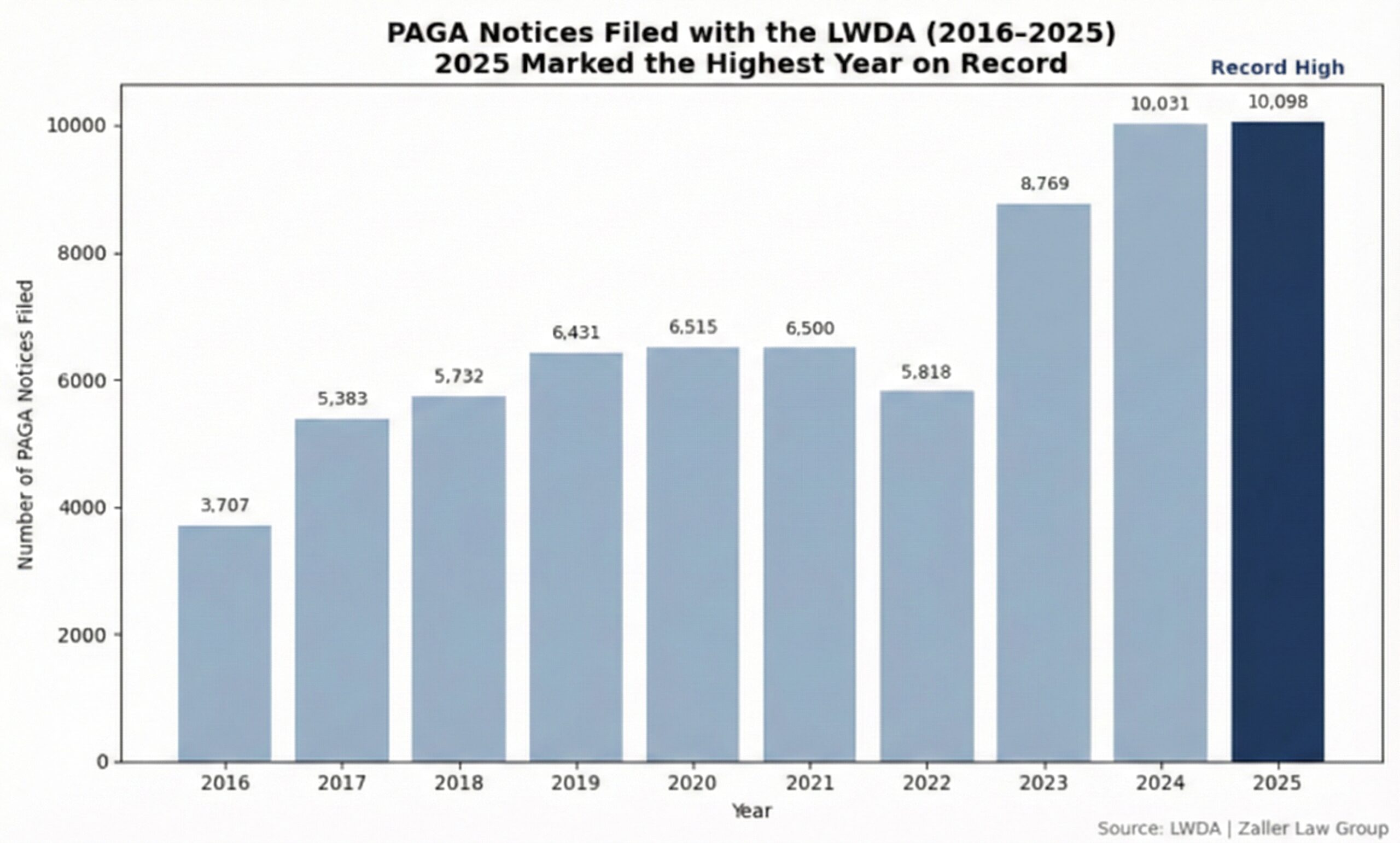
Despite the highly publicized 2024 PAGA reforms, 2025 became the largest year yet for PAGA LWDA filings. That reality has
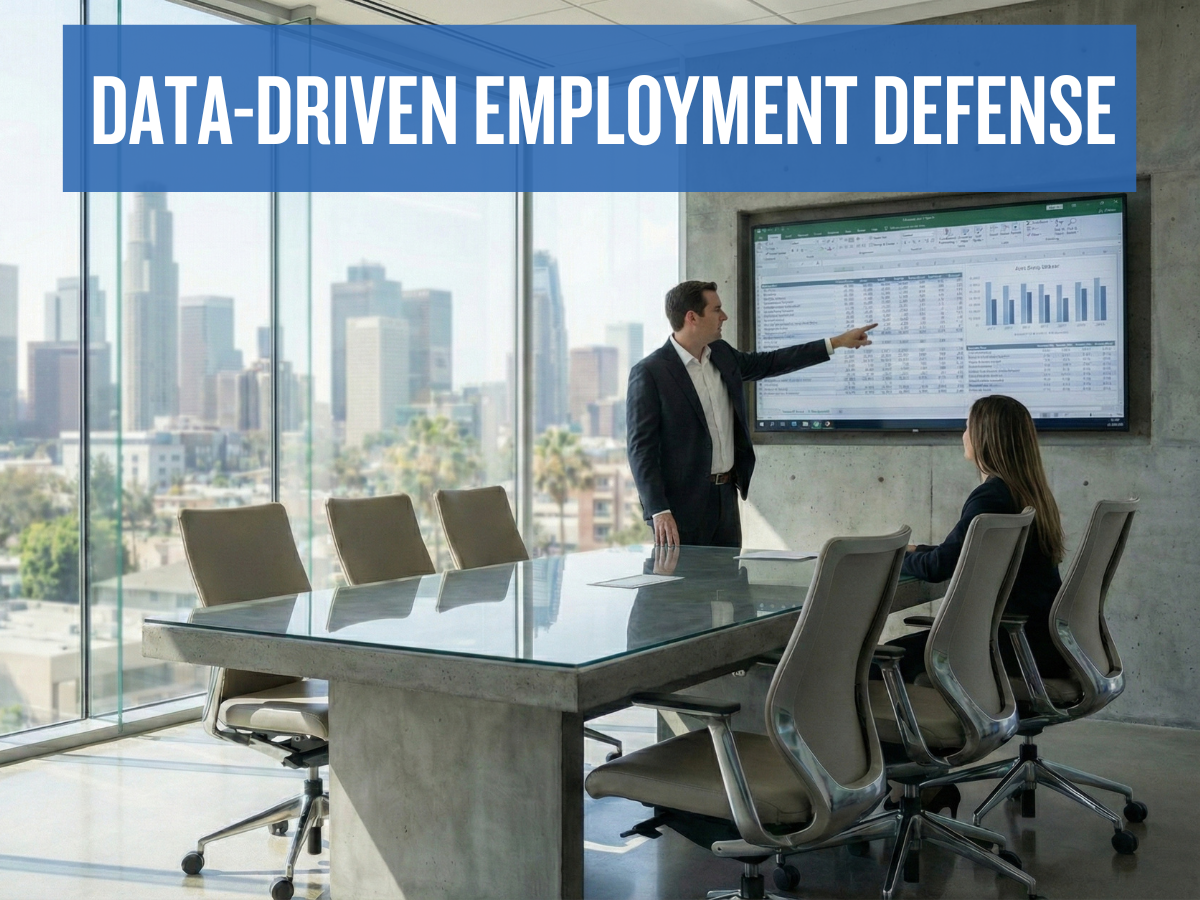
At Zaller Law Group, we do not talk about AI and technology in the abstract. We use it—every day—as a litigation tool to give our clients a measurable advantage.

California wage-and-hour and PAGA cases are data cases. Outcomes often turn on what the time records actually show, how quickly they can be analyzed, and whether

As California employers enter 2026, one thing is clear: PAGA risk is not going away—and it is not plateauing.

The numbers tell the story. Despite the highly publicized 2024 PAGA reforms, 2025 became the largest year yet for PAGA filings. That reality should reset expectations for California employers. Reform did not reduce filings—it changed how

Happy Holidays! As we close out 2025, I’m reflecting on an incredible year at Zaller Law Group. This year brought both challenges and opportunities for California employers—from navigating new 2026 legislation to managing the ongoing wave of PAGA litigation, to embracing AI tools that are transforming how businesses operate.

Despite the complexity of California’s regulatory

For most California employers, employee time and pay data has historically been treated as a legal obligation—something you keep because the law requires it, not because it creates value.

That mindset needs to change in 2026.

After years of defending employers in wage-and-hour class actions and PAGA cases, I have seen firsthand how employee data

After more than twenty years defending California employers, I have seen a consistent pattern: even companies with sophisticated systems struggle with one of the most fundamental compliance obligations in California employment law—maintaining, accessing, and analyzing employee time records. These challenges are not merely operational inconveniences. They routinely lead to unnecessary legal exposure, inflated PAGA penalties

As we approach 2026, California employers face a new round of legal and financial adjustments that will directly impact payroll budgeting, exempt classifications, and compliance risk. From statewide wage increases to industry-specific salary thresholds, these updates require careful planning to avoid misclassification claims, PAGA exposure, and penalties.

Here are the top five increases California employers

This article continues our Friday’s Five series highlighting the major new California employment laws taking effect in 2026. In recent weeks, we’ve covered several significant bills impacting employers — from expanded employee rights and new recordkeeping requirements to pay transparency updates and workplace enforcement changes.

This week, we turn to Assembly Bill 692 (Kalra)