Most California employers think about their time and attendance records in only one context: the day a plaintiff’s lawyer subpoenas them. By then, the records are working against you — every late meal punch, every missing premium, every off-the-clock minute becomes a line item in someone else’s damages model. But the same data that creates

California employers face one of the most complex and actively enforced wage-and-hour landscapes in the country, and most of that complexity gets triggered the moment a schedule is built. Daily overtime, meal and rest break timing, premium pay obligations, split shifts, reporting time pay, and PAGA exposure all flow from how shifts are scheduled and

As we move deeper into 2025, it’s the perfect time for California employers to return to the fundamentals. With ever-evolving employment laws and aggressive enforcement—especially around wage and hour issues—getting the basics right can mean the difference between smooth operations and costly litigation.

As a preview to our upcoming webinar, Wage and Hour Back

It is important for employers in California to make sure that their front-line managers dealing with employees on a day-to-day basis are knowledgeable about different employment issues that routinely come up in the employment context.  This week’s Friday’s Five covers five areas that employers should review with their managers to ensure they inform the appropriate

Happy Friday.  Through my defense of wage claims this year, I found that employers need to establish and periodically review issues pertaining to employees’ timekeeping.  This Friday’s Five is a list of the top five timekeeping issues that employers should routinely audit:

1. Establish and communicate a time keeping policy

Employers should establish and regularly

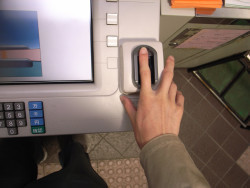
Fingerprint scans, facial recognition, and retinal scans only a few years ago sounded like farfetched futuristic technology, but given the quickly advancing technology, these items are being used more and more in the workplace.  Today’s Friday’s Five discussed five items California employers should know about their legal obligations regarding the employee’s biometric information obtained during

In 2015 the Department of Labor (DOL) proposed increasing the salary employees must receive in order to be classified as exempt.  The DOL finalized the rules and the changes are pending before the White House’s Office of Management and Budget.  If approved, it is likely that the final rules would take effect late summer

In See’s Candy Shops, Inc. v. Superior Court the court addressed whether an employer’s policy of rounding  employee’s time clock entries to the nearest tenth of an hour.  See’s Candy’s policy rounded employees’ time entries either up or down to the nearest tenth of an hour in its Kronos time keeping system. For example, if