What “Reasonable Steps” Really Mean in 2026: How California Employers Reduce PAGA and Employment Litigation Exposure

As California employers move through 2026, one thing is clear: employment litigation—and PAGA litigation in particular—is not slowing down.

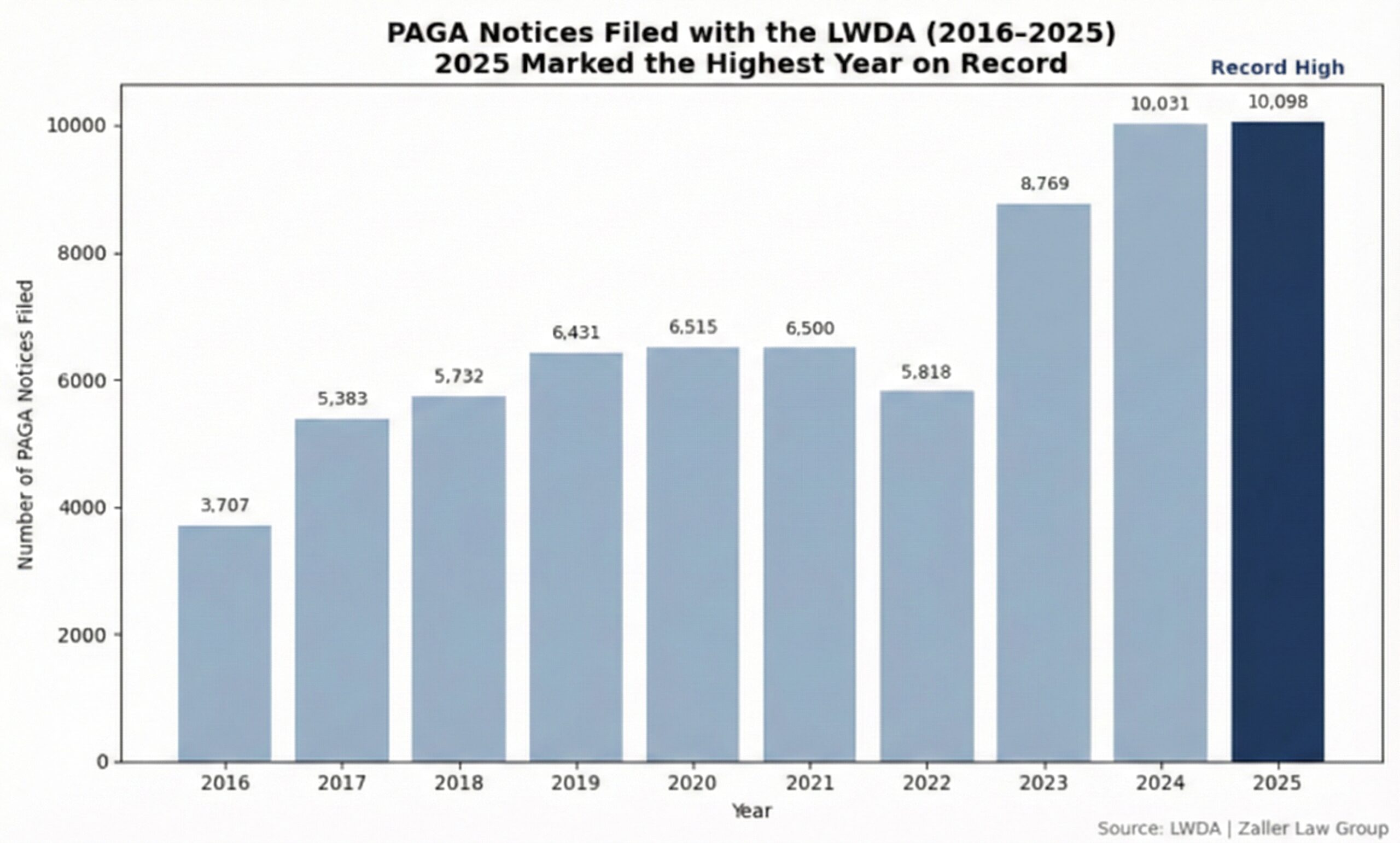
Despite the highly publicized 2024 PAGA reforms, 2025 became the largest year yet for PAGA LWDA filings. That reality has

At Zaller Law Group, we do not talk about AI and technology in the abstract. We use it—every day—as a litigation tool to give our clients a measurable advantage.

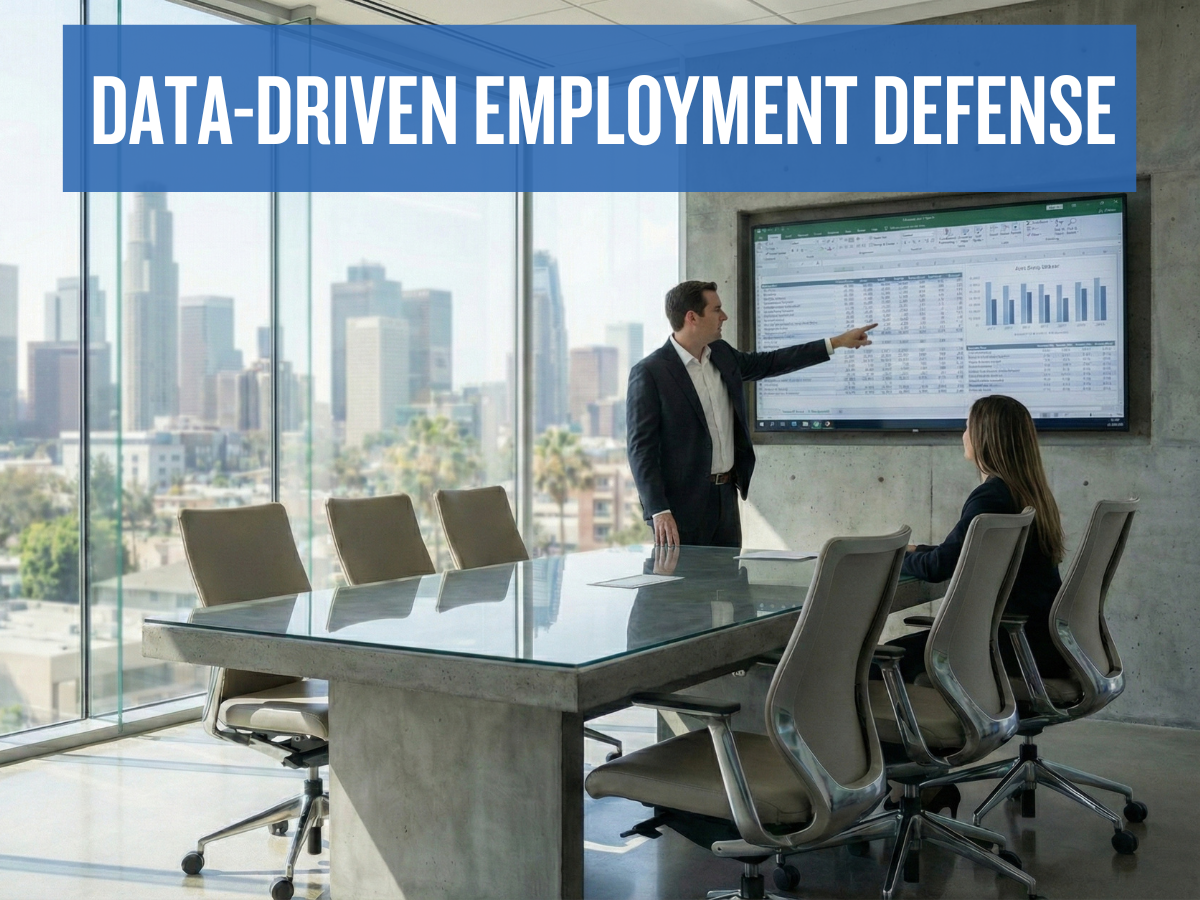
California wage-and-hour and PAGA cases are data cases. Outcomes often turn on what the time records actually show, how quickly they can be analyzed, and whether

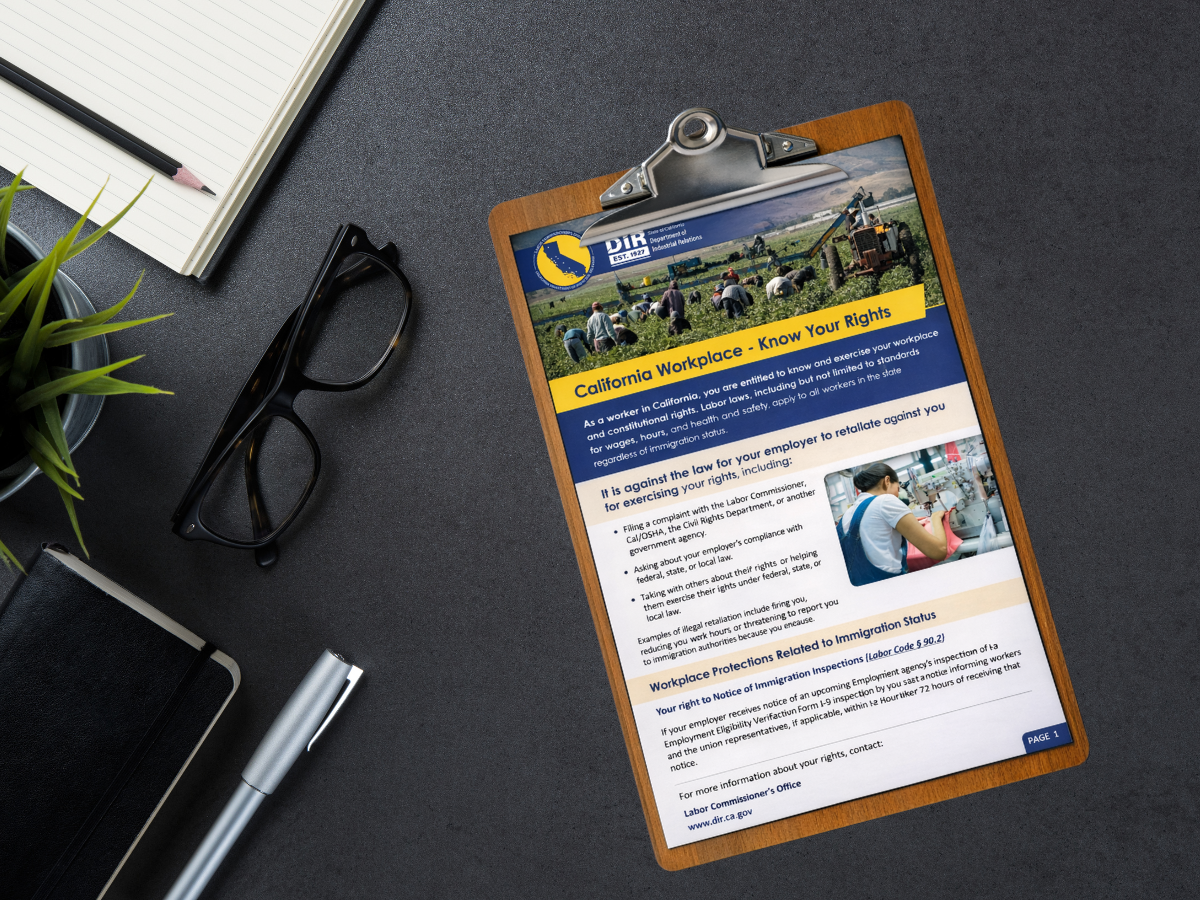
The California Labor Commissioner published the official “California Workplace – Know Your Rights” notice (available here in English and Spanish) required under the Workplace Know Your Rights Act (SB 294).

The first mandatory distribution date is February 1, 2026.

Here are five things every California employer should understand now.

1. Distribution Rules Are Specific

As California employers enter 2026, one thing is clear: PAGA risk is not going away—and it is not plateauing.

The numbers tell the story. Despite the highly publicized 2024 PAGA reforms, 2025 became the largest year yet for PAGA filings. That reality should reset expectations for California employers. Reform did not reduce filings—it changed how

Happy Holidays! As we close out 2025, I’m reflecting on an incredible year at Zaller Law Group. This year brought both challenges and opportunities for California employers—from navigating new 2026 legislation to managing the ongoing wave of PAGA litigation, to embracing AI tools that are transforming how businesses operate.

Despite the complexity of California’s regulatory

After more than twenty years defending California employers, I have seen a consistent pattern: even companies with sophisticated systems struggle with one of the most fundamental compliance obligations in California employment law—maintaining, accessing, and analyzing employee time records. These challenges are not merely operational inconveniences. They routinely lead to unnecessary legal exposure, inflated PAGA penalties

As we move toward 2026, California employers—especially in hospitality—are navigating one of the most complex wage-and-hour landscapes in the country. The 2024 PAGA reform brought meaningful relief, but only for employers who take their compliance obligations seriously and can prove it.

At the same time, technology and AI are beginning to transform what compliance

As the holiday season approaches, it’s a perfect time for California employers to revisit their policies on holiday leave, scheduling, and pay practices. Last week, we covered key vacation considerations for the busy season. This week, we’re focusing on five important reminders to help ensure compliance and smooth operations as the year winds down.

1.

The Supreme Court blocked the Biden administration from enforcing its sweeping vaccine-or-test requirements for large private companies, but allowed a vaccine mandate to stand for medical facilities that take Medicare or Medicaid payments.  In this YouTube short, I briefly discuss how this will effect California employers.

Additional information about the Cal/OSHA ETS can be

On December 16, 2020, the EEOC issued guidance on employer-mandated COVID-19 vaccinations.  The requirement by employers for employees to receive vaccinations raises many issues dealing with privacy, the extent of control employers have over employees, and workplace safety, among others.  Here are five issues employers should understand about the new EEOC guidance:

1. Can