California employers have extensive obligations under the Labor Code to create and maintain accurate time records and pay stubs. The Labor Code itself doesn’t prescribe a specific format or technology, but the way employers handle these records has only grown more important — particularly after the 2024 Private Attorneys General Act (PAGA) reform, which ties
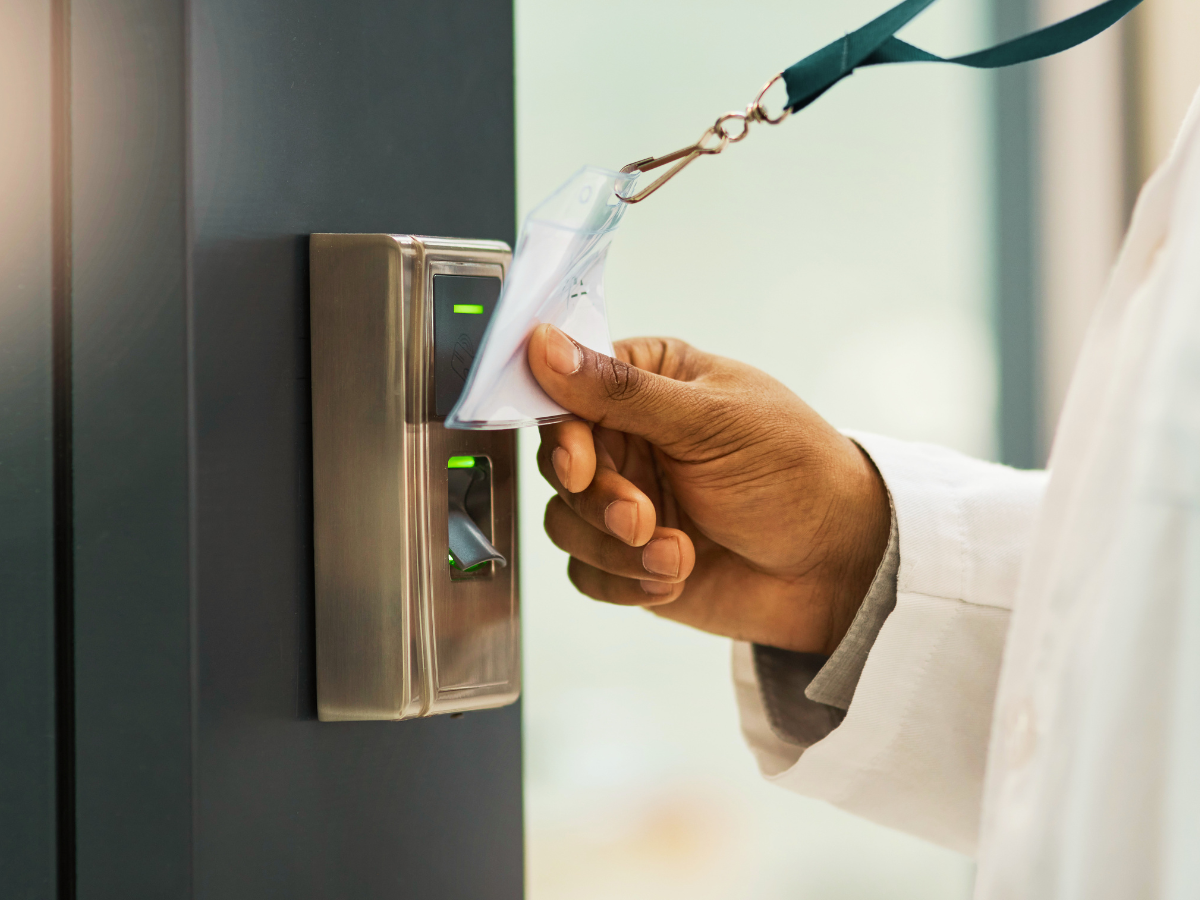

July 1 is just around the corner, and with it comes another wave of local minimum wage increases across Southern California. For employers operating in multiple jurisdictions—particularly those with hotel, hospitality, or healthcare workers—the compliance landscape continues to grow more complex. Beyond the day-to-day importance of paying the correct rate, accurate wage compliance is now

As we approach 2026, California employers face a new round of legal and financial adjustments that will directly impact payroll budgeting, exempt classifications, and compliance risk. From statewide wage increases to industry-specific salary thresholds, these updates require careful planning to avoid misclassification claims, PAGA exposure, and penalties.

Here are the top five increases California employers