
Terminating an employee is one of the hardest things a business does, and it is almost certainly the most legally scrutinized decision you will make in the workplace. It is also one of the few decisions that triggers immediate legal obligations — the clock starts running the moment you end the relationship. Yet how to

California’s Wage and Hour Rules on Electronic Time Records and Pay Stubs: Five Things Employers Need to Know
California employers have extensive obligations under the Labor Code to create and maintain accurate time records and pay stubs. The Labor Code itself doesn’t prescribe a specific format or technology, but the way employers handle these records has only grown more important — particularly after the 2024 Private Attorneys General Act (PAGA) reform, which ties

How California Employers Can Prepare for the July 1, 2026 Minimum Wage Increases
July 1 is just around the corner, and with it comes another wave of local minimum wage increases across Southern California. For employers operating in multiple jurisdictions—particularly those with hotel, hospitality, or healthcare workers—the compliance landscape continues to grow more complex. Beyond the day-to-day importance of paying the correct rate, accurate wage compliance is now

Five Takeaways for California Employers from the Ninth Circuit’s Arbitration Ruling in O’Dell v. Aya Healthcare Services
On April 1, 2026, the Ninth Circuit handed California employers a meaningful win in O’Dell v. Aya Healthcare Services, Inc., No. 25-1528. The court reversed a Southern District of California ruling that had used a procedural doctrine—non-mutual offensive collateral estoppel—to invalidate arbitration agreements for more than 250 opt-in plaintiffs based on two prior arbitrator decisions

Friday’s Five: How to Lean Into AI and Build a Competitive Moat
Five AI Strategies California Employers Should Be Executing Right Now
AI is not coming to your workplace. It is already there. Your employees are using it — on personal accounts, on free tools, and in ways your current policies almost certainly do not address. The California employers who are winning the next decade are not
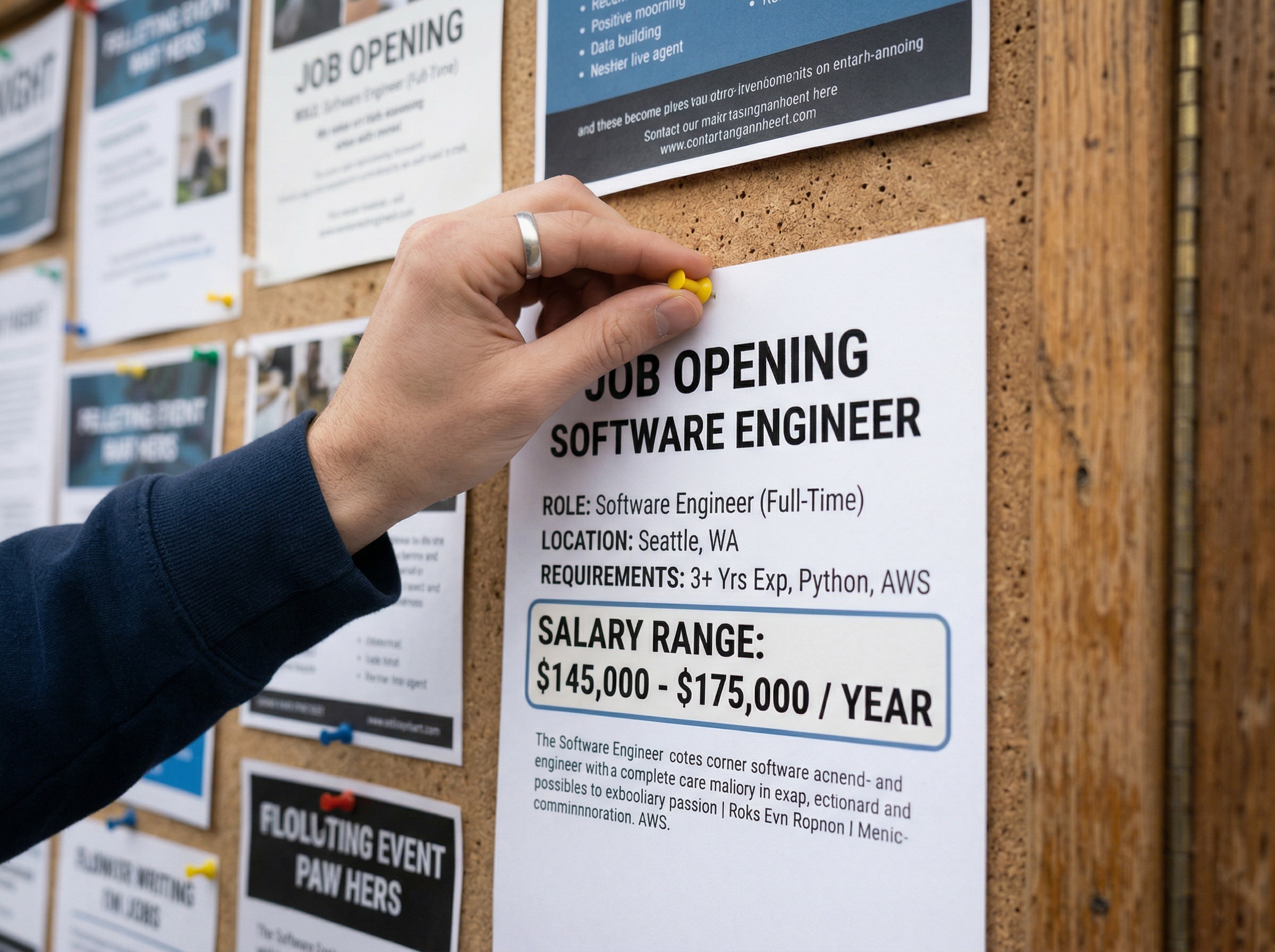
What California Law Requires in Your Job Postings
Posting a job opening sounds straightforward — but in California, it comes with a growing list of legal requirements that many employers overlook. From pay scale disclosures to salary history prohibitions, the rules around job postings have evolved significantly in recent years and continue to be refined by legislation, agency guidance, and litigation. Getting these
“Headless” PAGA Claims — The Split in the Courts and What Employers Need to Watch
If you are a California employer, there is a major unresolved issue in PAGA litigation that could significantly impact your exposure—and your ability to enforce your arbitration agreements.
It is called a “headless” PAGA claim, and right now, California courts are split on whether these claims are even allowed.
The result: uncertainty, inconsistent outcomes, and

The March 30 Deadline Facing California Employers Under SB 294
Most California employers took care of the February 1, 2026 distribution deadline under SB 294 — the Workplace Know Your Rights Act. But many have not yet addressed the law’s second compliance obligation, which arrives on March 30, 2026. That deadline is now two weeks away.
By March 30, every California employer must give current
Five Things California Employers Need to Understand About At-Will Employment
California is technically an at-will employment state. But practically speaking, that designation comes with so many asterisks that employers who treat at-will as a blank check to terminate anyone at any time are setting themselves up for costly litigation.
Here are five things every California employer needs to understand about the at-will doctrine:
1. At-Will

The FBI Seized a CEO’s AI Chats — And Four More Reasons California Employers Can’t Ignore AI Any Longer
This past week’s Zaller Law Group masterclass on AI in the Workplace walked California employers through what they need to know right now about AI in the workplace. The conversation covered everything from a federal court ruling on AI and attorney-client privilege to California’s new automated hiring regulations to practical tools employers can start using